Sub navigation

Come and visit the Arc de Triomphe at Place de l’Étoile at the top of the Champs-Élysées. A symbol of the French nation, it links old and new Paris, standing on the highest point of the line running from the Louvre to the Grande Arche de la Défense.
Visiting the Arc de Triomphe
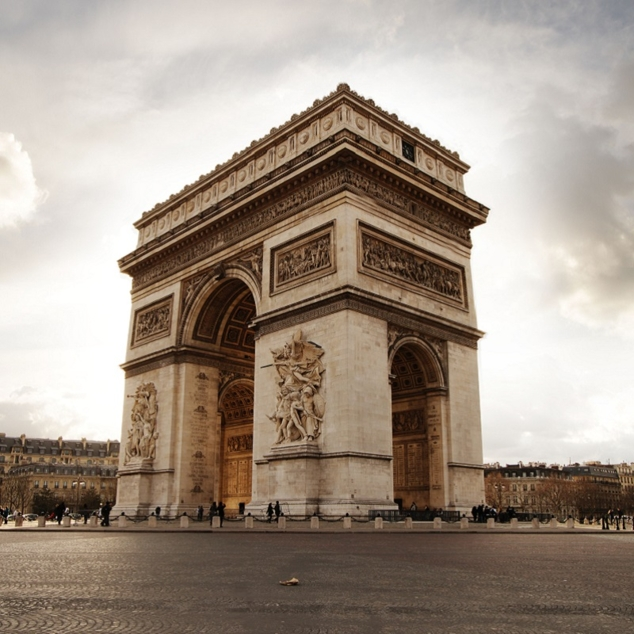
• Monumental sculptures. The pedestals are decorated with four allegorical high reliefs by the sculptors Cortot, Etex and Rude. Facing the Champs-Élysées is Rude’s Le Départ des Volontaires, known as ‘La Marseillaise’.
• An interactive and fun presentation. Inside, at the top of the 234 steps, the sources that inspired the monument are presented on giant screens, as is the history of its construction. The sculptures and friezes, which are hard to see from the ground, can be admired in detail.
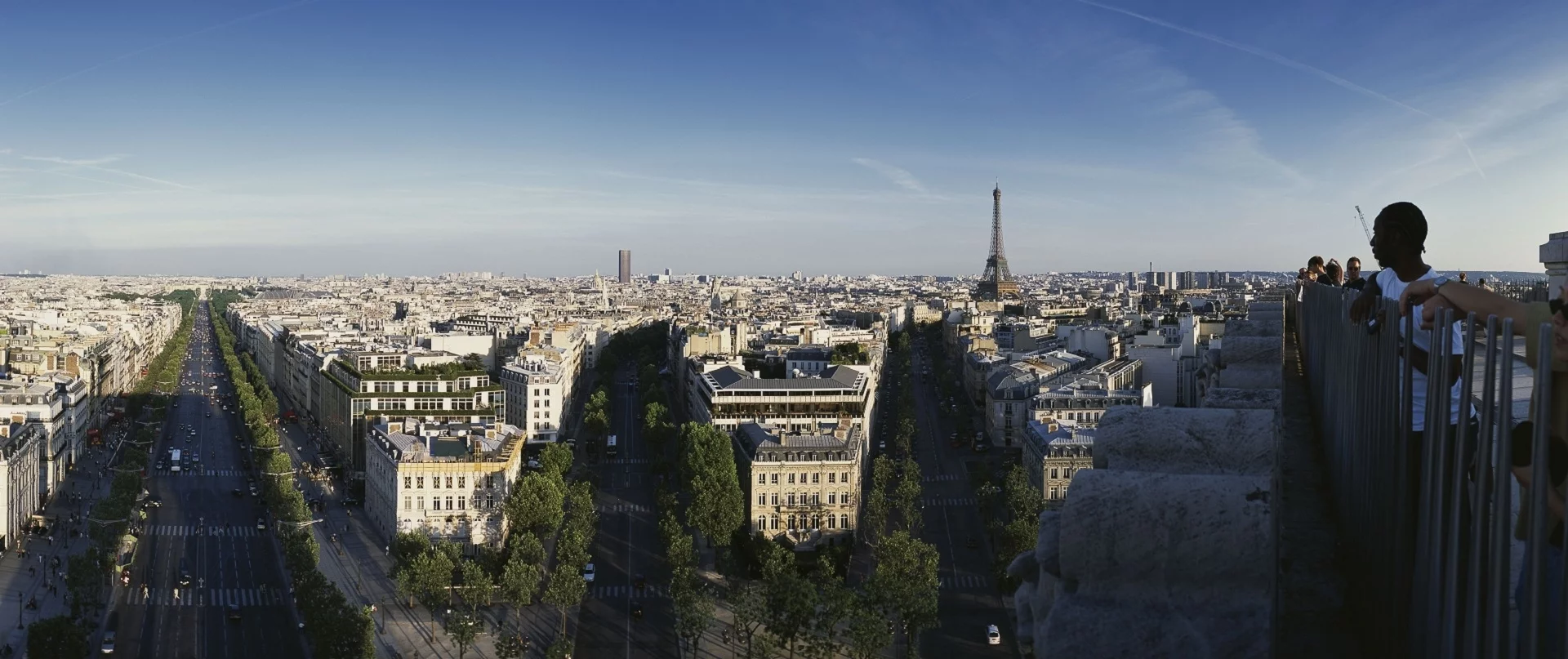
• A unique viewing point. All of Paris lies before your eyes from the panoramic terrace.
Understanding the Arc de Triomphe
• A new take on Ancient architecture. The architect, Jean-François Chalgrin, took his inspiration from the Roman Arch of Titus, with a single arch, but transcended the original by the outsize dimensions (about 50m high, 45m long and 22m wide) and by doing away with columns.
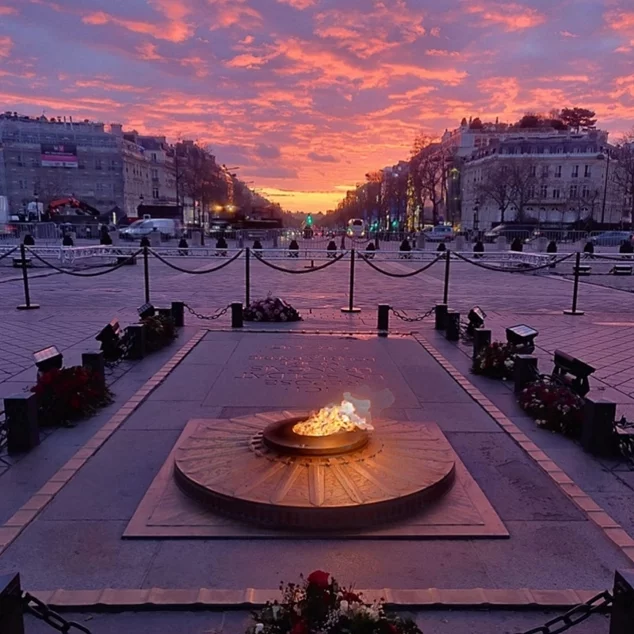
• The seat of major national events. Napoleon I already wished to have an arch built in 1806, and it was inaugurated in 1836 by the French king, Louis-Philippe, who dedicated it to the Armies of the Revolution and of the Empire. The Unknown Soldier was buried beneath the Arch in 1921. The flame of remembrance is rekindled every day at 6.30pm. On the French national holiday on 14 July, the military parade down the Champs-Élysées leaves from the Place de l’Étoile.


Download PDF file
See video
French
English
Espanol
Italian
German
Dutch
Portuguese
Russian
Chinese
Japanese
abo_rss